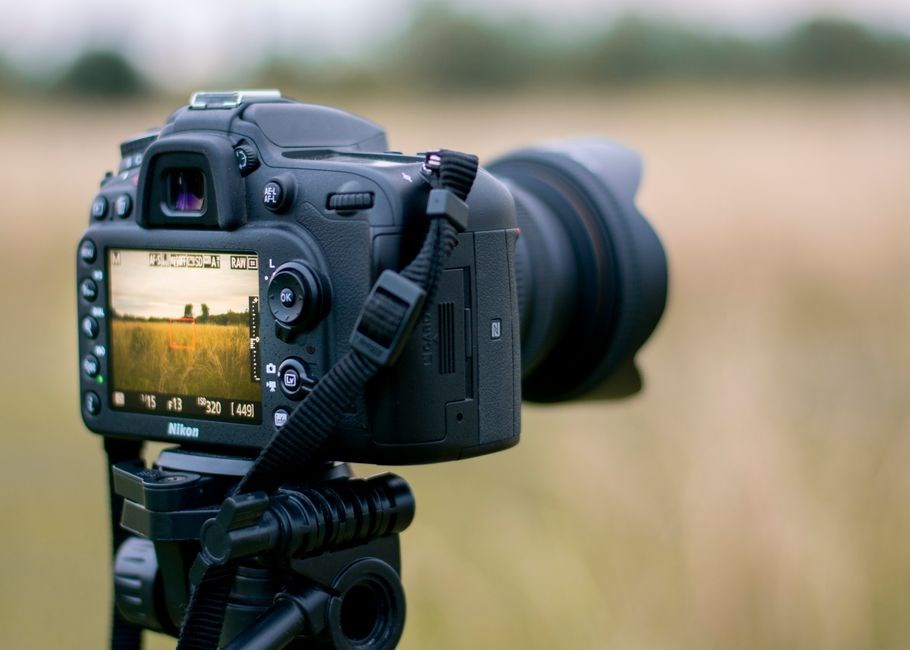
The Nikon D610 manual opens with a masterful control guide, unlocking precision handling of this full‑frame DSLR. It outlines sensor size, 24.3 MP resolution, ISO 100‑6400 range, 5‑fps burst, and robust weather‑sealed body, preparing you for professional results. Photo fun
Key Technical Specs
The Nikon D610 is a full‑frame DSLR that balances high resolution with robust performance, as detailed in its official instruction manual. Its 24.3‑megapixel CMOS sensor captures rich detail across a wide dynamic range, while the EXPEED 3 image‑processing engine delivers fast, low‑noise results even at higher ISOs. The native ISO range spans from 100 to 6400, expandable to 50‑25600, giving you flexibility from bright daylight to low‑light environments. Continuous shooting reaches up to 5 frames per second, with a buffer that supports up to 40 RAW images before slowing. The camera features a 39‑point autofocus system, including 9 cross‑type sensors for precise subject tracking, and offers multiple AF modes such as Single‑AF, Continuous‑AF, and Auto‑AF. Its robust, weather‑sealed body protects against dust and moisture, making it suitable for demanding outdoor shoots. The D610 includes a 3.2‑inch LCD with 921,000 dots, a 0.5‑inch optical viewfinder offering approximately 100% frame coverage, and supports full HD 1080p video recording at 60 fps. Connectivity options comprise USB 2.0, HDMI, and optional Wi‑Fi adapters, while the battery life delivers roughly 900 shots per charge according to CIPA standards. These specifications combine to create a versatile tool for both enthusiasts and professionals seeking reliable image quality and ergonomic handling. The camera weighs new 850 g (including battery), measures 141 × 114 × 78 mm, and uses the EN‑EL15 rechargeable Li‑ion battery, offering extended shooting endurance.Daily.
Package Contents
The box includes the Nikon D610 body, EN‑EL15 rechargeable battery, MH‑25 charger, WB‑2A battery grip, a shoulder strap, a USB cable, a lens cap, a rear screen protector, the full instruction manual, and a software CD for image processing plus a cleaning cloth and a warranty card.
Included Items
The Nikon D610 kit arrives with everything required to start shooting immediately. Inside you will find:
- Camera body – full‑frame DSLR with 24;3 MP sensor and 3.2‑inch LCD. Provides reliable performance.
- EN‑EL15 battery – rechargeable, approx. 900 shots per charge. Provides reliable performance.
- MH‑25 charger – AC charger for the EN‑EL15. Provides reliable performance.
- WB‑2A battery grip – adds vertical comfort and extra power. Provides reliable performance.
- Shoulder strap – padded, adjustable. Provides reliable performance.
- USB cable – for data transfer and charging. Provides reliable performance.
- Lens cap – fits the standard 18‑55 mm kit lens. Provides reliable performance.
- Rear screen protector – anti‑scratch film for the LCD. Provides reliable performance.
- Instruction manual – full guide to camera operation. Provides reliable performance.
- Software CD – includes ViewNX‑2 and Capture NX‑D. Provides reliable performance.
- Cleaning cloth – microfiber for lens and screen. Provides reliable performance.
- Warranty card – registers the camera for warranty. Provides reliable performance.
All components are packed securely for safe delivery. You will find everything you need to capture stunning images out of the box now!
Body Controls
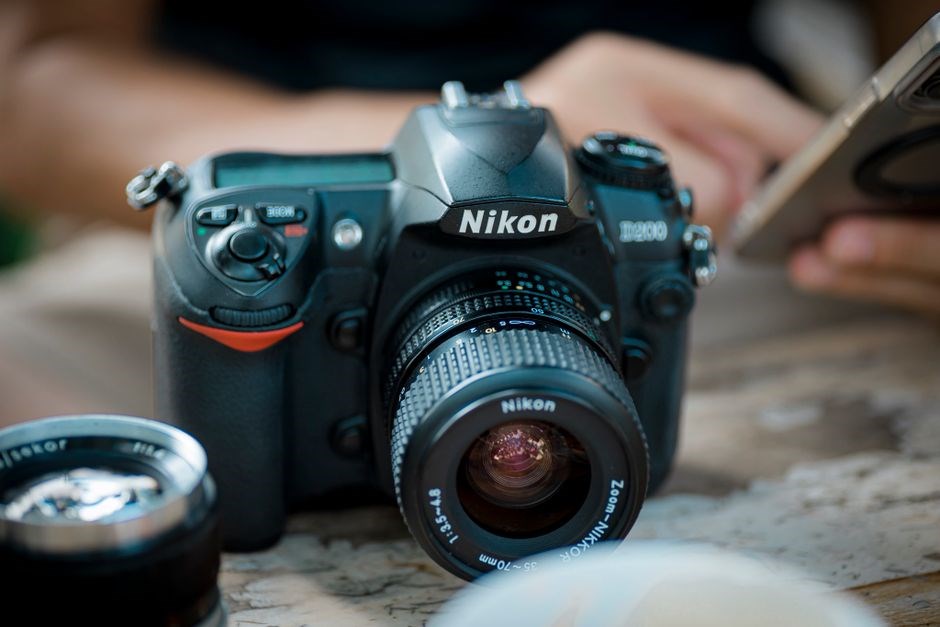
The D610 features a power switch, mode dial, main shutter button, rear playback/erase button, info display button, menu access, AF‑ON button, multi‑selector joystick, and three customizable function buttons, all ergonomically placed for precise handling. Perfect for beginners and pros.
Buttons, Dials, and Switches
The Nikon D610 places every essential control at your fingertips: a top‑right power switch, a five‑position mode dial (Auto, P, S, A, M), the main shutter button with half‑press autofocus, a rear playback/erase button, an info display toggle, a menu access key, an AF‑ON back‑button, a multi‑selector joystick with OK/Set centre press, three customizable C‑buttons, a live‑view switch, a depth‑of‑field preview, a self‑timer/remote dial, an exposure‑compensation wheel, an ISO button, and a video‑mode toggle. Each element is ergonomically shaped, clearly labeled, and provides tactile feedback so you can adjust settings quickly even in low light or fast‑action shooting. Mastering these controls lets you transition smoothly from stills to full‑HD video, from automatic to full manual control, and ensures you never miss a decisive moment. Additional features include a front‑mounted function ring for quick exposure adjustments, a weather‑sealed grip for durability in harsh conditions, and a high‑resolution LCD that delivers crisp playback and menu clarity even in bright sunlight. When shooting video, the dedicated record button activates full‑HD capture at 30‑fps, while the built‑in microphone input and headphone jack let you monitor audio, and the focus‑assist icons on the LCD provide real‑time depth‑of‑field visualization, ensuring professional‑grade results without additional gear. The layout supports custom button mapping via the menu letting you assign settings for instant access during fast‑paced shoots now.
Menu Navigation
The D610 manual shows how to press the MENU button, use the multi‑selector joystick to scroll, and confirm with OK. Sub‑menus appear on the 3.2″ LCD; left/right arrows reveal hidden options. Quick‑access icons let you jump to playback, custom settings, or video mode instantly. Ready!
Accessing and Using Menus
Press MENU to open the D610’s main menu, displayed on the 3.2″ LCD in four columns: Shooting, Playback, Setup, and Custom Settings. Use the multi‑selector joystick to move the cursor; left/right arrows reveal hidden pages. Confirm a choice with OK, and INFO shows brief descriptions for each option.
Navigate sub‑menus by pressing OK on a highlighted item. The joystick scrolls the list, and left/right arrows access additional pages. INFO provides on‑screen help, while the bottom icons give instant shortcuts to Playback, Live View, and Custom Settings, reducing the steps needed to change key parameters.
To exit a menu layer, press MENU again, or use DISMISS to return without saving. Changes are automatically stored; a check‑mark appears beside the active setting. For power users, the Custom Settings menu lets you rearrange or hide menu items via “Menu Layout,” tailoring the interface to your shooting style and speeding up workflow.
Additionally, D610 help feature can be toggled on to display contextual tips on the LCD you highlight a setting, which is useful for newcomers learning the intricacies of DSLR operation.
The D610 also offers a quick‑review mode that can be launched by holding the playback button while in shooting mode. This displays the most recent image on the LCD with histogram and exposure data overlay, allowing you to assess focus and exposure without exiting the shooting workflow. To return to live view, simply press the playback button again. Enable grid overlay now for pros.
Shooting Modes
The D610 offers Auto, Scene and Creative modes. Auto handles exposure instantly. Scene presets include Portrait, Landscape, Sports, Night Portrait, and Close‑up. Creative gives full manual control: Program, Aperture‑Priority, Shutter‑Priority, and Manual, plus special effects. Enjoy.!
Auto, Scene, and Creative Options
Auto mode lets the D610 decide aperture, shutter speed, ISO, white balance and focus with a single turn of the mode dial, perfect for quick snapshots or beginners. Scene presets such as Portrait, Landscape, Sports, Night Portrait, Close‑up and Sunset automatically adjust metering, focus points and color tone to match typical lighting for each subject. Selecting a scene also switches the AF mode to the most suitable setting, for example Sports tracks moving subjects while Portrait emphasizes smooth skin tones. Creative options give full artistic control: Program (P) suggests a balanced exposure while allowing exposure compensation; Aperture‑Priority (A) locks aperture for depth‑of‑field control; Shutter‑Priority (S) fixes shutter speed for motion control; Manual (M) requires setting both aperture and shutter speed manually, with ISO set to Auto or a fixed value. The camera also provides in‑camera filters like High‑Contrast Monochrome, Toy Camera, Miniature Effect and Partial Color, accessible from the Creative‑Controls menu, letting you apply stylized looks without post‑processing. By moving between Auto, Scene and Creative modes you can quickly adapt to any shooting situation, from spontaneous street moments to planned studio work. Additionally, the D610’s built‑in guide screen can display real‑time histograms, focus peaking and zebra stripes, helping you verify exposure and focus accuracy while shooting in Creative or Scene modes. These features give the D610 flexibility for fast action, and artful composition.
Exposure Settings
The D610 offers ISO 100-6400 (expandable), three metering modes (Matrix, Center-weighted, Spot), and exposure compensation from -5 to +5 EV in 1/3-step increments. Use the command dial to adjust shutter speed or aperture in P, A, S, or M modes. Quick access via the top LCD screen.!

ISO, Metering, and Compensation
The Nikon D610’s ISO system spans from 100 to 6400 as standard, with optional expansion to 50 and 25 000 for low‑light flexibility. ISO can be adjusted via the top command dial or the Quick‑Settings screen, allowing rapid changes without diving into menus. When raising ISO, the camera’s noise‑reduction engine automatically applies optimal processing to preserve detail while minimizing grain.
Metering offers three distinct patterns: Matrix, Center‑Weighted, and Spot.
Matrix evaluates the entire scene with a sophisticated algorithm that balances color, distance, and contrast for reliable exposures. Center‑Weighted gives priority to the central area, ideal for portraits, while Spot measures a tiny 2‑3 % region for precise control in high‑contrast lighting.
Exposure compensation ranges from –5 EV to +5 EV in 1/3‑stop increments. This dial is located on the left side of the top plate and can be accessed instantly while shooting in P, A, S, or M modes. Positive compensation brightens the image, useful in snowy or bright environments, while negative compensation darkens the scene, helpful when shooting in heavy back‑light.
- ISO: 100‑6400 (expandable to 50/25 000)
- Metering: Matrix, Center‑Weighted, Spot
- Compensation: –5 EV to +5 EV, 1/3‑stop steps
Understanding how ISO, metering, and compensation interact empowers you to fine‑tune exposure, ensuring that the D610 captures the intended tonal range and detail across diverse lighting conditions for artists!!!
Autofocus System
The D610 features a 39‑point AF array with nine cross‑type sensors, the centre point offering high‑sensitivity focus. Choose AF‑S, AF‑C or AF‑A modes, and select Single‑point, Dynamic‑area, 3D‑Tracking or Auto‑area for precise subject acquisition in varied scenes. Precise AF control
AF Modes and Point Selection
Understanding the autofocus system of the Nikon D610 begins with its 39‑point phase‑detect array, of which nine are cross‑type sensors delivering heightened accuracy, especially the centre point which maintains high‑sensitivity operation down to ISO 100. The camera offers three primary AF‑Sensing modes: AF‑S for still subjects, AF‑C for continuous tracking of moving subjects, and AF‑A which automatically switches between the two based on subject motion detection. Within each mode, photographers can choose from several focus‑point selection methods. Single‑Point AF lets you manually designate any of the 39 points, giving precise control for static compositions. Dynamic‑Area AF uses a primary selected point surrounded by a cluster of surrounding points that assist when the subject moves slightly, ideal for portraits or moderate motion. 3D‑Tracking expands this concept by automatically following the subject across the frame, continuously re‑assigning focus points as the subject traverses the sensor, perfect for sports or wildlife. Auto‑Area AF lets the camera evaluate the scene and select the most appropriate focus point or group of points without user intervention, useful for quick snapshots. Additionally, the D610 supports Group‑Area AF, which groups adjacent points into larger zones for faster acquisition in low‑light or high‑contrast situations. Users can also enable Focus‑Point Lock, which retains the chosen point while recomposing, and use the custom function menu to assign AF‑Mode button for toggling.!!